or
You Don't Know What You Got 'Til It's Gone
Jacques Audiard's new film De Rouille et le D'os (Rust and Bone, in English) is as far afield from his last film, The Prophet, as could be. That film was a mini-Godfather, that showed the traps a criminal puts himself into, whether he's in prison or the King of the Hill.
Rust and Bone, though, is a love story about the transitory nature of selfishness and the numbing vacuousness of complacency, which sounds like it'd be a a dull film, or a pedantic English theme. Combine it, though, with kick-boxing and killer whales chewing your legs off, and it becomes a different animal altogether.
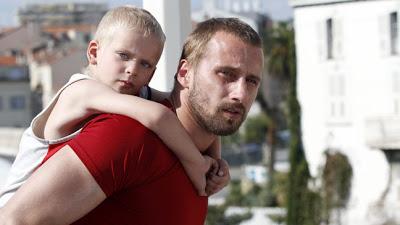
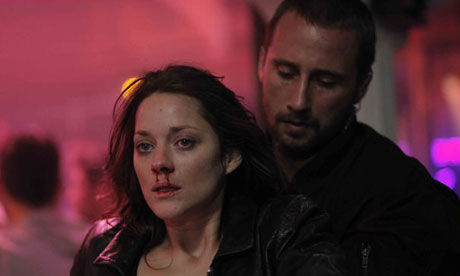
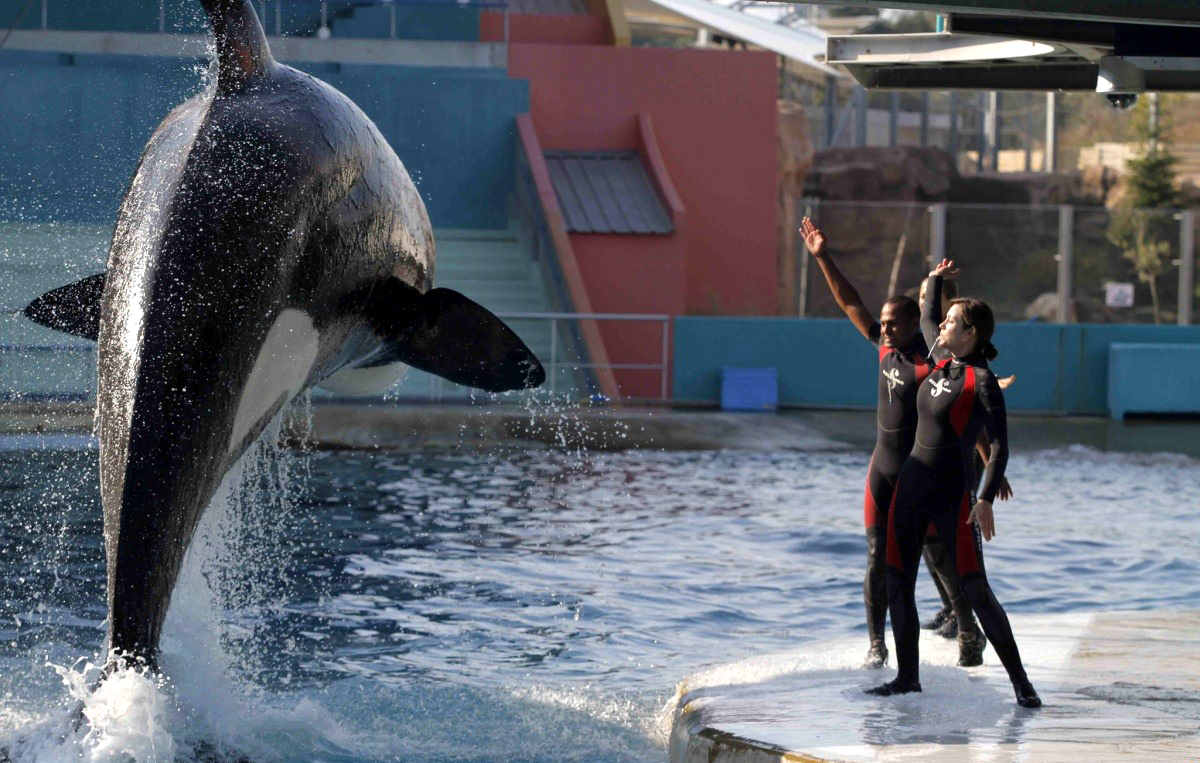
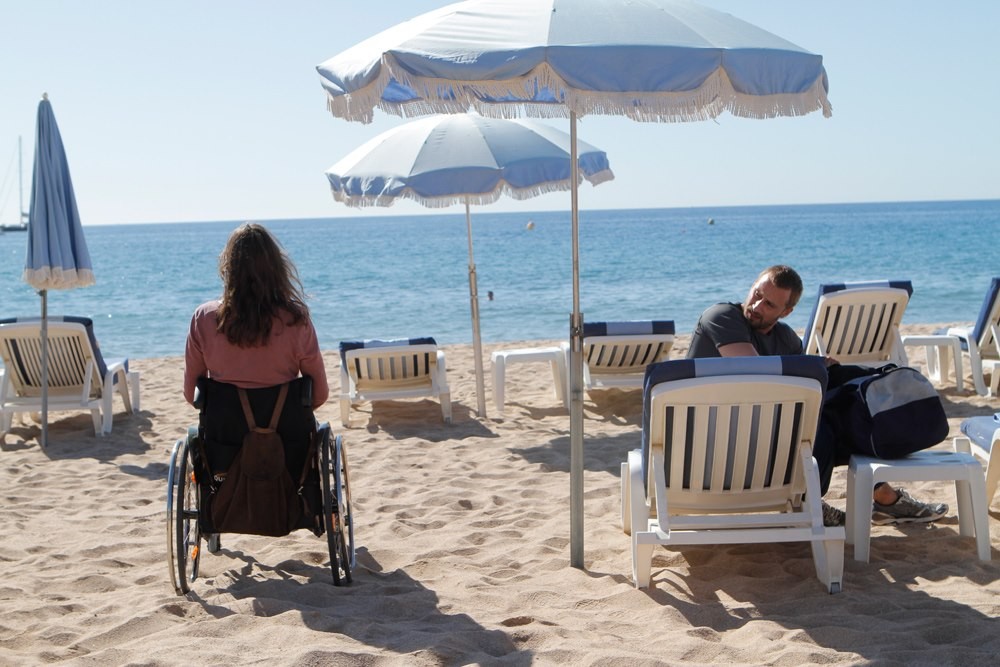
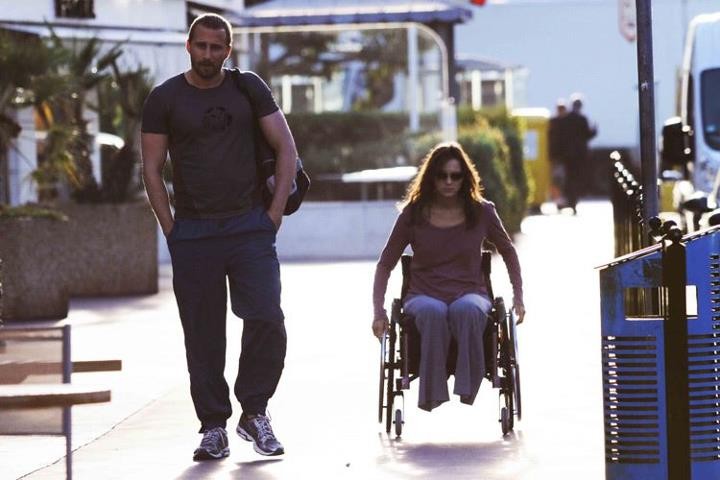
Ali (Matthias Schoenaerts), unemployed father of Sam (Armand Vendure), crashes with his sister in Antibes, while he tries to get his act together. He jogs, he works out at the gym, dreams of being a kick-boxer, but the best he can do is bounce at a night-club, where he meets Stéphanie (Marion Cotillard), or rather rescues her, from an altercation. She's a performer with a local Marineland park, directing killer whales through stunts and tricks, before a live audience. Everything is going well during one performance when an accident happens and, as a result, Stéphanie loses both legs below the knees. Submerged in depression, contemplating suicide, she calls Ali for help (it would be another of his string of odd jobs to earn money), where he starts to help her with therapy, specifically carrying her down to the wheelchair-inaccessible beach, so she can swim.
Ali is so deeply rooted in his own needs, that almost by osmosis, Stéphanie begins to care more about herself, and stops living in the past. The sex helps. But Ali is entirely self-absorbed and wants to keep things casual. For further money, he starts participating in paid street-fight competitions, while Stéphanie takes the plunge and decides that she'll invest in artificial limbs and learn to walk again.
It's such a lop-sided story of co-dependency that it may seem like a frustrating film, but the performances of the two leads, Cotillard and Schoenaerts, go a long way in keeping interest. Cotillard, in particular, seems to be oozing this performance out of some deep, dark place in her core (either that or she didn't sleep for a week) that is painful but fascinating to watch, while Schoenaerts is such a non-expressive performer, you might think that he is so completely internalized that he just walked off the street.
And it's the performances that balance this film out, making the paths the actors take even necessary to sell the circumstances when the movie veers into melodrama, making an emotional course correction to get to an ending that...well, might have a point, even if a conventional one.
Meanwhile, Audiard does some impressive work with merely images, as the character of Ali is somewhat uncommunicative, and subtle shadows over people's faces suggest a shift in attitude between them. And the whole Marineland sequences are like a sensory-overload nightmare—music constantly blaring, a robotic response-non-response from the performers to the audience, the pure, dumb folly of it all is quite an amazing sequence of textures and tones that provide a great deal of foreshadowing, even though you don't know what's coming—you just know that the place is on the knife-edge of panic and chaos.
So, an interesting film once it gets started, but then suffers a shift-tone that leads to some mighty convenient changes of heart, and makes Rust and Bone get all gooey inside, without (thank God) anthropomorphizing the whales.
Rust and Bone is a Matinee.