Showing posts with label British. Show all posts

Friday, November 1, 2013

Post Hallowe'en Special: Get Off the Lawn, You "Damned" Kids!

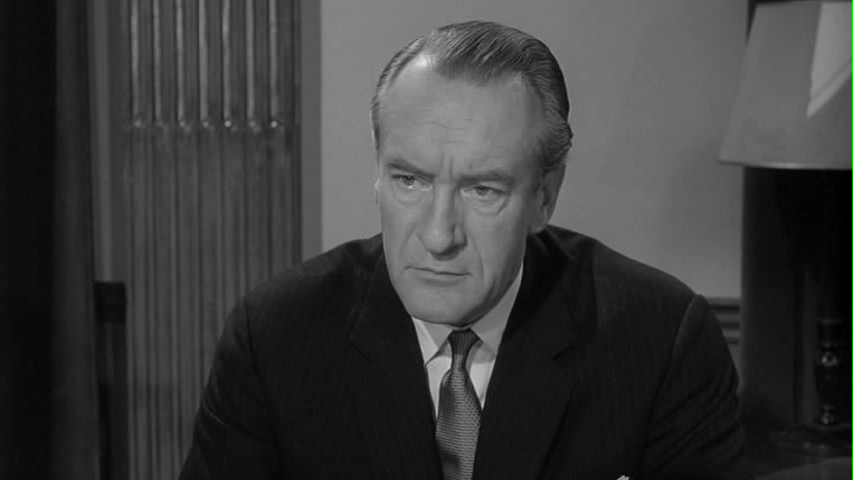
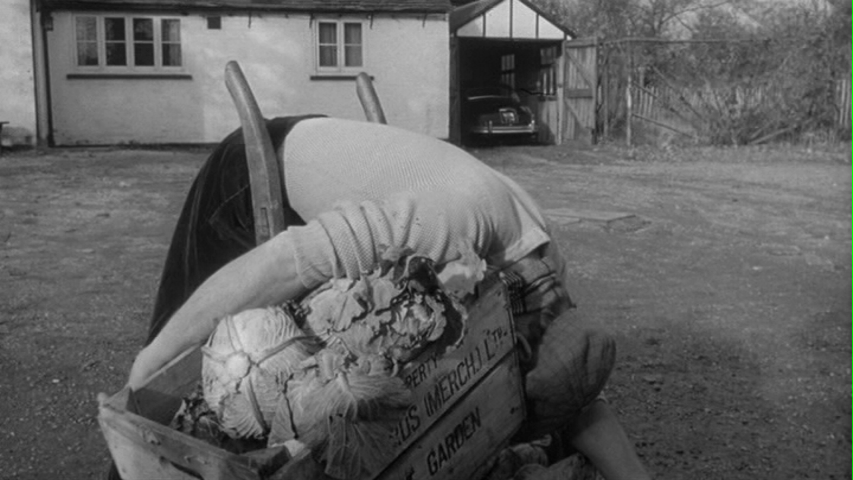
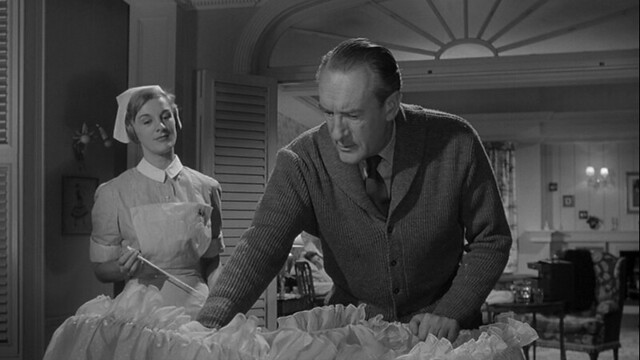
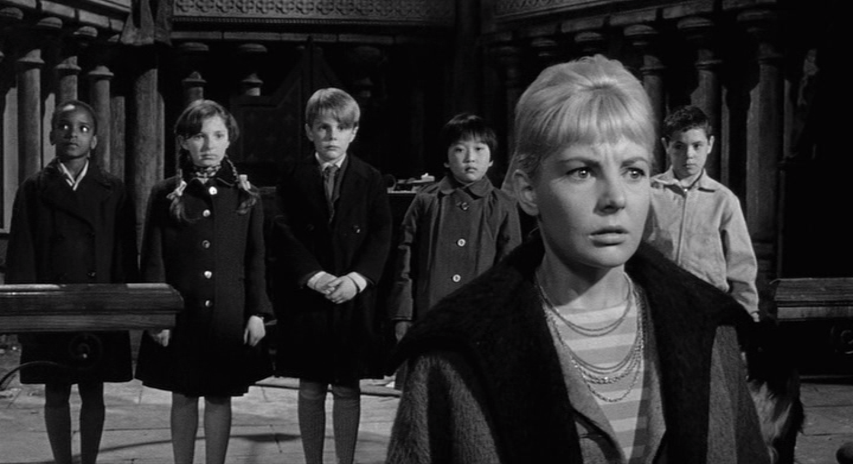
Village of the Damned (Wolfe Rilla, 1960)  Based on the John Wyndham sci-fi novel "The Midwich Cukoos," adapted by Stirling Silliphant and director Rilla, Village of the Damned* is a curious mixture of sci-fi and horror—a combination of pulp sensibilities, but with a strange sub-text that could be taken as religious, mystical, or invasive, and then has the audacity to not answer any of the questions and leave you hanging as the suppositions swirl through your head.  Both it and its sequel are fascinating things to watch, but each in their different way.

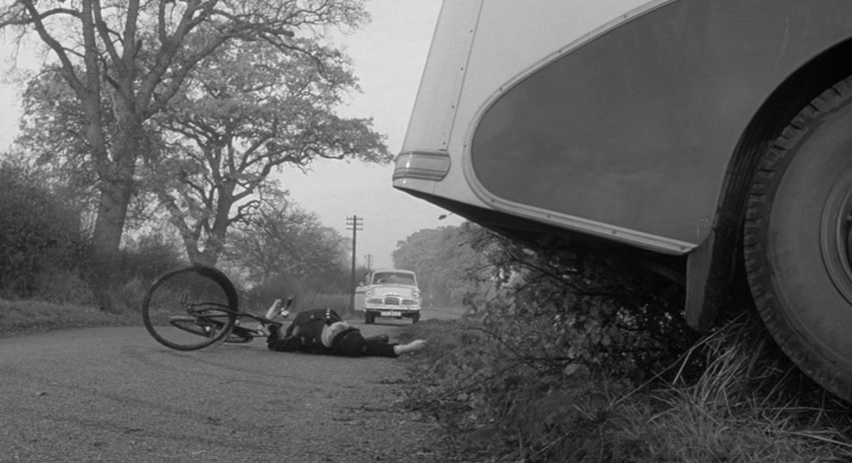
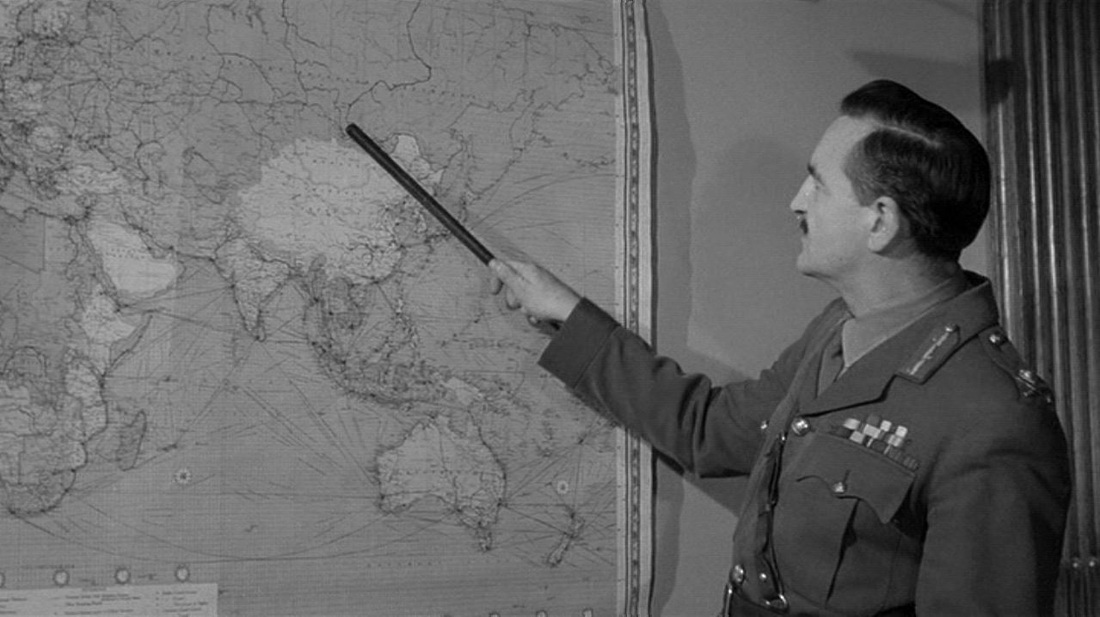
In the town of Midwich, professor Gordon Zellaby (George Sanders) is making a call to his brother-in-law Alan Bernard (Michael Gwynn) when all of a sudden, he falls unconscious.  So does the family dog.  Bernard is alarmed at this and can't raise anyone in town, so he investigates and being in the military he doesn't do it subtly.  What he finds is that everyone within a few mile radius of city center is unconscious...or will become unconscious (even taking preventative measures like gas-masks) if they enter within that "zone"—aeroplanes flying overhead will have their pilots drop off, the planes crashing.  


It's a mystery.  Why this town?  Why this effect?  But, two hours later, everyone awakens, mystified.  They felt a cold sensation before they dropped, but that was it.  The disturbance is forgotten.


Until two months later, when it's determined that every woman "of child-bearing years" in Midwich is pregnant.  For Zellaby and his wife (Barbara Shelley), it's a miracle though it's a little late in life for him.  But, for the unmarried women in town, and for the women with husbands away, it's not only embarrassing, it has to be some bizarre mistake...and when it's confirmed it makes things uncomfortable, socially.  For awhile they're stigmatized, but before long (and with the doctor's confirmation) it's determined that all the women are pregnant...and they don't how.


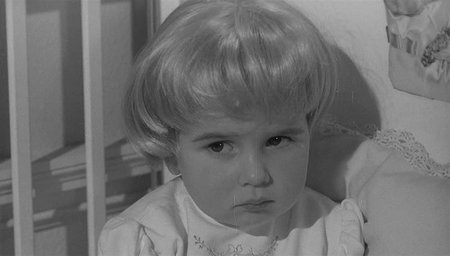
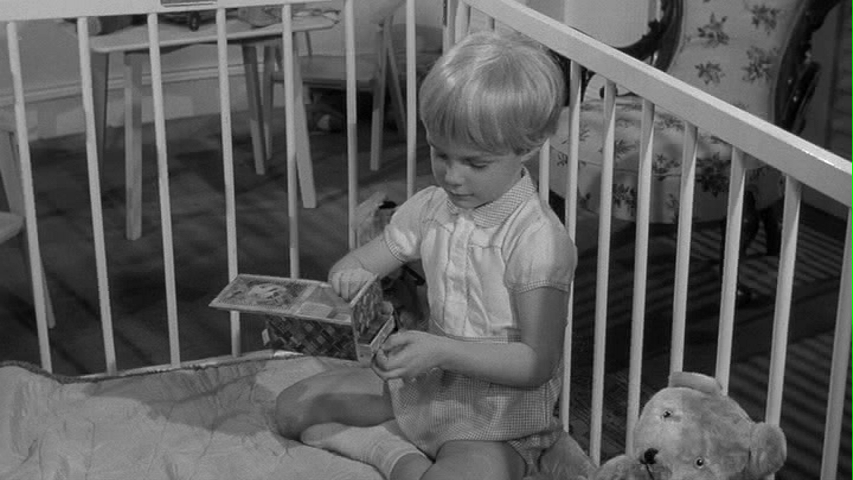
Out of this mass-immaculate conception, the village is seriously creeped out, but the children appear to be normal, if gestating at an accelerated rate.  And all are born on the same night, all premature by normal standards, but all around ten pounds, all with white shocks of hair and something "weird" about their eyes, totally black.  The kids grow quickly and they learn quickly, being able to figure out chinese puzzle boxes while still toddlers.  Give it to one, and then another, sight unseen, will be able to figure it out, as if by telepathy or shared mental faculties.

And...if things don't go their way, they can influence the thoughts and actions of others, an act apparent when their eyes begin to glow white.  The children, as they grow older and become more sophisticated, become even odder—walking as a group by themselves, dressing themselves, speaking in a tone, sophisticated and cold.
**

What to do about them...and who "is" them, anyway?  No one has any answers, but reports around the world suggest Midwich isn't the only village on Earth to experience this.  Some of the places have murdered the children. One isolated village in Russia is trying to instruct the children to the best they can.  What is the answer: to eradicate, or to exploit? 

The military doesn't want to do anything subtle, but Zellaby, with doubts as to their origin, staves off their eradication by seeing if he can teach them in their own segregated school (naturally).  The trouble is, the children don't want to do anything subtle, either, and these kids are of a mind to stop the problem of bullying by any means necessary.


This is a great film, which doesn't shirk societal issues at the same time it doesn't pin down exactly what the hell is going on here.  The fact is the kids are here and dealing must begin.  But how, never mind why.  Plus, it's a genuine horror-fest, making one web-site's list of "10 movies pregnant women should never watch." Apt.  And one curious anomaly about the film is that the strange glowing eyes that signal some heavy brain-work on the part of the children (and figures in the denouement) is only seen in American prints of the film.  Interesting, as they seem to appear in the British posters for the film.

But, those curiosities aside, it's well-worth seeing, and pondering...

One further note, young Martin Stephens who gives such a calmly mature performance as little David Zellaby in this (and The Innocents) left acting while still a child and became an architect.  Yes, he has a web-site.


°° °° °° °° °° °° °° °° °° °° °° °° °° °° °° °° °° °° °° °° °° °° °° °° °° 


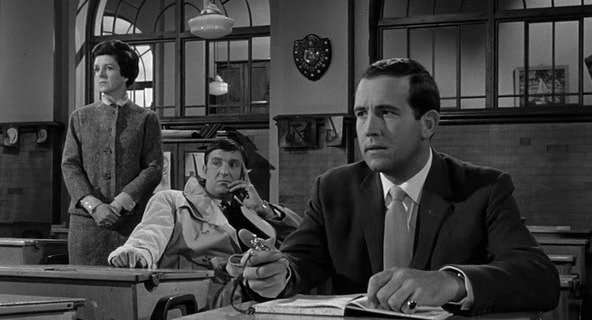
Children of the Damned (Anton M. Leader, 1964) If Village of the Damned leaves things unexplained, Children of the Damned just complicates the issue, rather than coming up with any concrete answers. The six titular children have the same powers and intellect, but not the same attributes.  None of them has the tell-tale white hair or the slightly high browline as the first crop of kids.  And there's only one child from Britain; the others, flown in by the UN, come from Russia, China, India, America, and Nigeria and their abilities are only discovered by a UNESCO survey on child development.  The lead investigators in England, psychiatrist Tom Llewelynn (Ian Hendry) and geneticist Dr. David Neville (Alan Badel, laconically ironic) are looking into the why's and wherefore's of young Paul Looren (Clive Powell), a child of extraordinary learning skills that are frankly off their charts.  A visit to his single mother only ends with her tossing them out and their disbelief in her claiming she was never "touched by a man."

Llewelynn and Neville make an odd duck duo,*** the shrink earnest and straightforward and the geneticist cracking wise with every line.  Their investigations come up with no reason why these kids have these abilities, they just do, and when Britain's Secret Service tries to take control of young Paul, he sets up a distraction and scampers, seeking out the other five children and taking up residence in an abandoned church, with Paul's aunt (Barbara Ferris) as hostage/mouthpiece.  The various embassies want each of their children back to exploit them, weaponizing them, in effect.  Llewlynn is thunderstruck by the idiocy of that: "As soon as one of them knows your plan, then the others will know it."  So much for Cold War secrets.


Neville and Llewelynn, U.N. observers...observing

Still the various countries want their kids back, and the kids want nothing of it, attacking from their stronghold in the church, devizing a broadcasting "thingie" using the church's pipe-organ to incapacitate anyone attempting to remove them, leaving their attackers dead or "wishing they were."


Children of the Damned is slightly diminished from its original, but on its own is one of those great science fiction films of limited scope and budget that still manages to evoke the sense of a much larger concept, despite narrowing down what the children "are," while giving the film a sense of cautionary tragedy that the first film doesn't have.  Less a horror film than a story of sociological and political paranoia, Children of the Damned features good performances and an efficiently crackling script (by John Briley—he would go on to write Cry Freedom and Gandhi) and manages to stand on its own terms, apart from the first film, as an entertaining, if very unsettling film.


...and what they're observing.


°° °° °° °° °° °° °° °° °° °° °° °° °° °° °° °° °° °° °° °° °° °° °° °° °° 


Village of the Damned (John Carpenter, 1995) This updated version of the original follows the same plot structure of the first, with less emphasis on the mysterious circumstances that cause the "immaculate" pregnancies in the town of "Midwich, California," less stigma—it is the '90's, after all, there's even the subject, given the circumstances, of aborting the children—and more emphasis on the children and the violence they mete out on the town.  In color, and sporting a good cast of stars (with Christopher Reeve—his last role before his crippling accident—Linda Kozlowski—she of the "Crocodile Dundee" series—Michael ParĂ©, Mark Hamill and Kristie Alley), these kids are more pointedly accusatory, speak in archly threatening whispers,**** and action-oriented, and unusually vicious in the way they have their victims destroy themselves—impaled on a broom, blinding an eye-doctor, having one of the parents driving into a propane tank (rather than a brick wall), another perform an autopsy on herself, and the botched military intervention in another country alluded to in the first film is dutifully played out with all the blood-bags the budget can allow—and Carpenter doesn't cut away as the original did.  There's no implication here, which (as it usually is) isn't as powerful as leaving your audience's squirming imagination to do the dirty work.  


Christopher Reeve's doctor hates talking to kids.

On the plus side, it's less of a man's world this time out on both sides: the chief investigator of the phenomenon is a woman (Alley, whose a bit cavalier in her dealing with the kids) and the leader of the children is one of the little girls, Mara (Lindsey Haun) daughter of Reeve's local physician and his wife (Karen Kahn).  This time out, the children pair off, boy-girl, with one of the children (Tom Dekker) left partnerless because one of the children is stillborn, and, as a result, being the only one to develop any empathy at all.  The other kids are little monsters who, when forced to go up against an adult with any will at all, will have the pinwheels in their glowing eyes go from green to red to white, then, just to stack the deck against them further, their faces glow red into a demon's visage.

In other words, what was subtle and thought-provoking in the first film doesn't have the same effect in this one.  And the reason is you're being beaten over the head with it, and rather pointlessly.  There's no ambiguity here.  There's no mystery.  It's just a simple formula: strange is bad=kill it. Carpenter can be a good film-maker and stylist—he wrote the playbook on the post-Hitchcock slasher film (which may not be much of a recommendation—until you compare it with his imitators).  Maybe this was just a case of studio expectations for meeting a carnage quotient.  But whatever it is, the 1995 remake of the Village of the Damned takes all the fun...and the seriousness out of the story.

And that's a "Damned" shame.


* There is another film done by the Hammer group, and directed by American director Joseph Losey, starring McDonald Carey and Oliver Reed called (depending on which version you see) These are the Damned or The Damned, and are unrelated to this film series, although it does involve children, with special qualities.

** It was odd watching it this time around, as the children, particularly Martin Stephens, reminded me of no one so much as Sheldon Cooper, Jim Parson's character on "The Big Bang Theory."  Sorry, DR. Sheldon Cooper.

*** And no, I don't think they're gay, even if they do share a flat in London (separate rooms, mind you).  Both are on assignment from Unesco in London.

**** Unfortunately, the kids' performances are melodramatically threatening, a bit like Patty McCormick in The Bad Seed.

Tuesday, October 30, 2012

Dead of Night (1945)

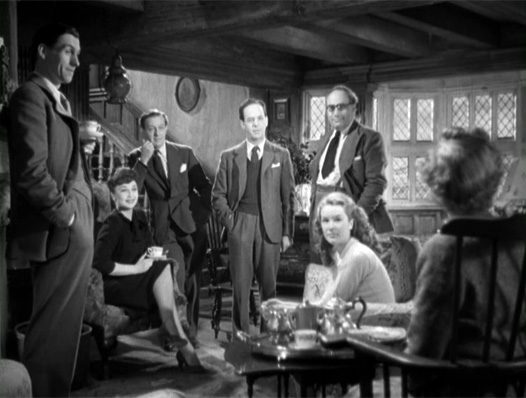
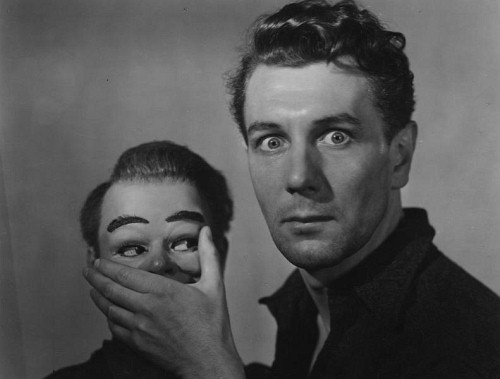
Dead of Night (Alberto Cavalcanti, Basil Dearden, Charles Crichton, Robert Hamer, 1945) British omnibus film from Ealing Studios where four stories of the bizarre are buttressed by a framing device of an architect (Mervyn Jones) invited to a country house that evokes an inescapable sense of dĂ©jĂ  vu.  At the house is a collection of strangers with odd stories: a race car driver who barely survives a crash and during a recovery has a strange dream involving a beckoning hearse and driver who says "just room for inside, sir"—a dream that has fateful repercussions later on; a girl (Sally Ann Howes) who recounts a strange encounter at a Christmas party; a woman who buys her fiancĂ© an antiquated mirror with a mind—and a room—of its own; a whimsical tale of of two obsessed golf duffers (Basil Radford and Naunton Wayne) who wager for the affections of a woman over a match; and the last, featuring a ventriloquist (a bravura performance by Michael Redgrave) whose dummy wants to change the act's billing.

Anyone familiar with "The Twilight Zone" will have their own distinct sense of dĂ©jĂ  vu watching Dead of Night—the race-driving story is remarkably similar to a Bennet Cerf story that was adapted by Serling as "Twenty Two;" the Christmas story echoes others; the ventriloquist story has been dummied about several times and not just on TZ.  The stories have their own specific atmospheres that cling to their stories like shrouds, and Ealing proudly displays the collection of sets and artistry that made it one of the preeminent studios in Great Britain.

The stories are all decidedly set-bound with some quick outdoor scenes—it was wartime when the film was made and although the tone is fairly nightmarish (pluckily nightmarish), escapism from the rubble and the war news was the intent, and maybe a little tonic from "boogey-man-isms" by having a psychiatrist (Viennese, of course, played by Frederick Valk) popping the bubble of the story-tellers by trying to clinically explain things away.  It provides a fine counter-balance (and a bit of straight-faced comic relief) to the tales of the supernatural, with their underpinnings of hysteria and mental imbalance.  Fun, unsettling and meticulously done.

Tuesday, September 25, 2012

The Entertainer (1960)

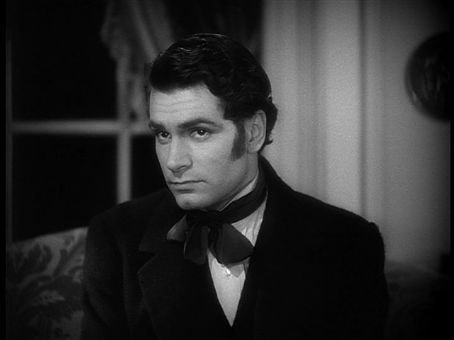
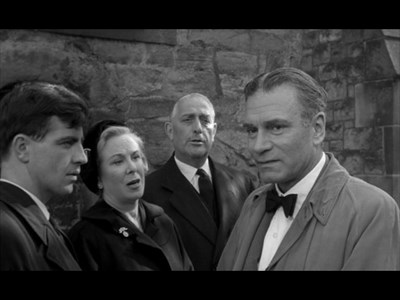
The Entertainer (Tony Richardson, 1960) One thing about Laurence Olivier, he was an actor for all genres.  Yes, he was primarily known as a stage and film Shakespearean, probably the greatest, but he also did light comedies, thrillers, period dramas, horror films, the occasional cheese-fest...everything...including the kitchen sink.  Kitchen sink dramas, that is. 

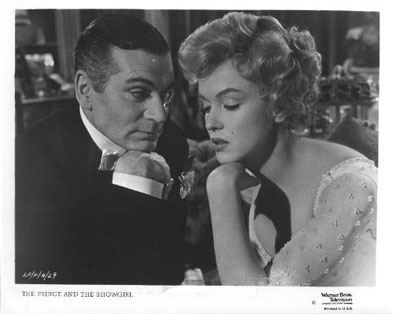
In My Week With Marilyn—the fictionalized telling of the filming of The Prince and the ShowgirlKenneth Branagh's Olivier announces he's done with directing (after his on-set tussles with Monroe and finding out she's incandescent on-screen, anyway, despite his direction) and is going back to the stage to do a John Osbourne piece.  That would be "The Entertainer," the play on which this film is based.  On stage, it vacillated between life on-stage for Archie Rice (Olivier), and at home, where...well, he's never really OFF-stage, a needy vaudevillian with an alcoholic second wife (Brenda De Banzie), three kids (Albert Finney, Alan Bates, and Joan Plowright—who would become the last Lady Olivier), and a slightly more talented, but no more wiser live-in Da (Roger Livesey).

For now, Archie is scraping by, as star/producer of a boardwalk diversion at a seaside holiday camp, in the perfect venue—an old, faded theater, where the air is as stale as his material.  His day is only vital in the afternoons and early evenings in the bustling chaos of on-stage and backstage.  The rest is the drummest of hums—wife in her cups, son off to war in the Suez, youngest son helping Dad in the dive, and daughter teaches art to a bunch of barely interested teddy-boys and girls.  She goes to the seaside, seeking out Father, looking for some form of stability before settling into a perfunctory marriage.

She should have gone somewhere else.  Archie is only accessible on-stage, and when off, he's trying to hustle another season, another venue, another donor, another prospective starlet.  Life just isn't good enough for him if a limelight isn't on him and the money's starting to run out to pay the electric bill. Much was made of the play as a comment for the fading empiricism of Great Britain, as personified by the propped-up jolly-good Archie, for whom the show must go on, despite not having any juice in it for years, surviving with a heavy layer of rouge and grease-paint to give the long-distance impression of vitality and youth, blithely ignoring the march of time and pasting it over with the false grin of performance, no matter how desperate it may come across.

Richardson's film opens the play up, puts instance on Archie's transgressions on-screen instead of just being talked about and blubbered over, and Olivier sticks out like a sore thumb—rightly so—apart from the rest of the cast.  Where Livesey is old-school formal and the kids are new-broom casual, Olivier sticks to his guns with a theatrical performance which feels appropriately, desperately false, which benefits the film while also making the character of Archie a complete outsider, a role he no doubt relishes.  There's only one star in this "revue," everybody else is a bit player.

For Olivier, it must have fulfilled some need—to slum, maybe, or to reach out to the new material being generated by Osbourne, Richardson and others in the new school of British rebellion.  Maybe, after his long string of kings, princes and noblemen, he wanted to explore the has-been's and ignoble men, to cultivate portraits of characters of a more stratified than rarefied stripe.  There's also an element that Olivier might have been familiar with—the performer's ennui, bordering on contempt for his audience.  At this stage in his career, Archie is performing for himself—the money's not great, the material stale, and any creative collaboration is non-existent—the most intimate relationship he has is with his make-up mirror and even that is betraying him.  Olivier is not above showing bitterness—he was particularly adept at tartly spitting out the ironic put-down in the guise of civility.  And he was acknowledging his age (he was a very old Hamlet in his film of it) and the potential for failure, by portraying it, challenging it, mocking it, waving a red cape at it, maybe exorcising it.  It was a brave interesting role for Britain's leading thespian.


Olivier as Archie Rice: "The Roar of the Greasepaint"


Saturday, June 9, 2012

The Wrong Box (1966)*

The Wrong Box (Bryan Forbes, 1966) Forbes is a British director not known for a light touch, not as a writer or as a director.  So to see him in charge of a comedy leaves one a bit non-plussed as opposed to amused.  Same can be said for this film, which tries very, very hard to be funny, but ends up evoking feelings of pity (which just won't "do" for a comedy).

The story of a tontine—a trust created for a clutch of privileged school-boys that will go to the last man standing—should have the same breakaway, mean-spirited greediness of, say, It's a Mad, Mad, Mad, Mad World (Stanley Kramer you wouldn't think of being able to do a comedy, either, but look at that result!), Those Magnificent Men in Their Flying Machines, or The Great Race, but instead has a leaden lethargy sometimes punctuated by awkward transitions, ill-timed (and rather unnecessary) close-ups, and the frequent appearance of title cards (to explain something the direction does not adequately provide) in a black-out format that recalls silent movie transitions.  It's Forbes imitating Richard Lester, and as slap-dash as the latter could be at times, he at least could tell a story, and give it the momentum so it would never flag.

Great cast, though: Michael Caine, Peter Cook and Dudley Moore, John Mills and Ralph Richardson; Peter Sellers has an extended cameo as a fraudulent doctor that starts slowly but finally picks up a weird head of steam.  And there's an odd love story between Caine and Forbes' actress-wife Nanette Newman that seems unconvincing.  The screenplay is by Larry Gelbart and Burt Shevelove, who wrote the book for the Broadway musical "A Funny Thing Happened on the Way to the Forum" (Lester's film of which was released the same year—coinicidence?) John Barry's galumphing score works overtime to make it frothy, but this is one granite souffle.  What is missing is whimsy, rather than desperate manicness, and it fortunately is found in Sellers' work, and in the odd performance of Wilfrid Lawson as the harried (not that you'd know) butler, Peacock.


* The asterisk is used that it isn't confused with the silent version of Robert Louis Stevenson's novel (with Lloyd Osborn) done in 1913—not that a lot of people have seen it.

Thursday, June 7, 2012

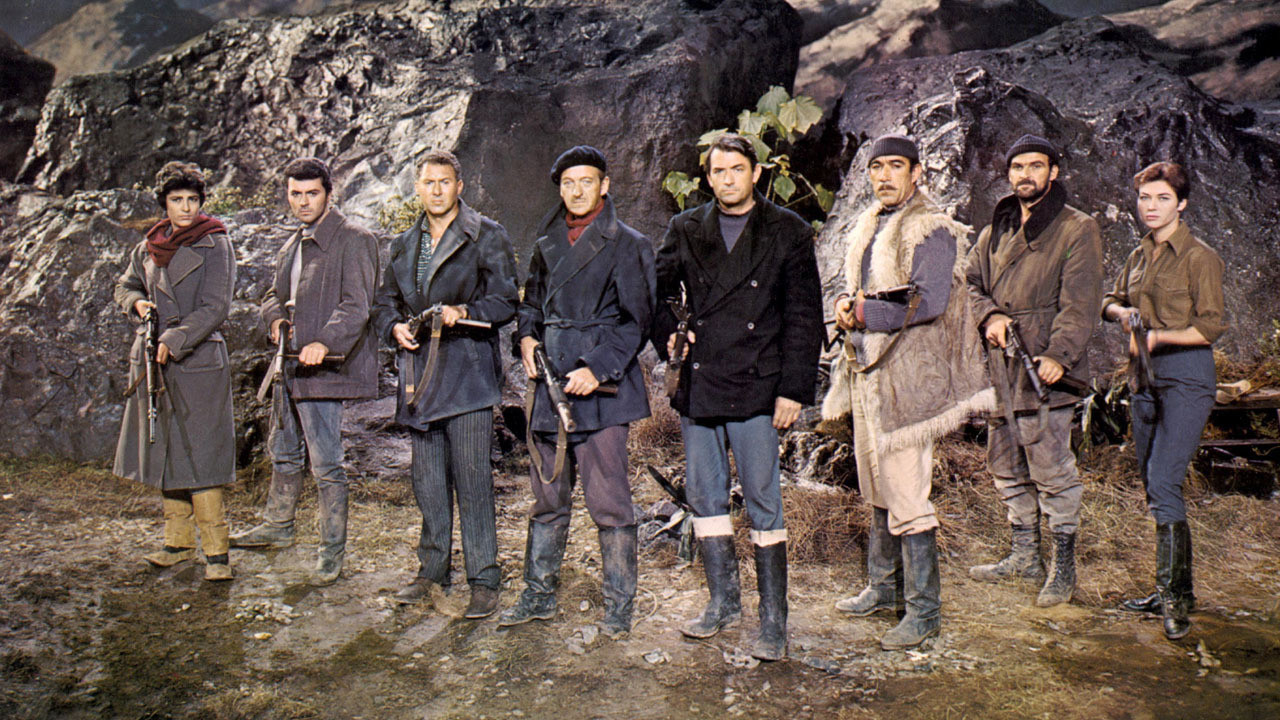
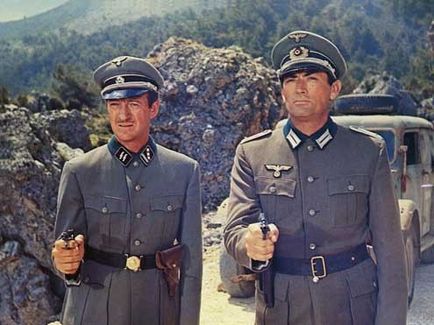
The Guns of Navarone

The Guns of Navarone (J. Lee Thompson, 1961) Maybe I should do a new LNTAM series—"The Ones That Got Away."  Somehow I managed to miss this one, an essential "action" film that "everybody" saw when it first came out, AND during umpteen playings on television. Not me.  I managed to sit down and watch it straight through only recently.  I do remember it from one particular Dick Van Dyke Show episode (Season 5, Episode 139-"You're Under Arrest") where Dick and Laura had a fight and Dick stomped out and went to a drive-in and fell asleep in the car and no one believed him because the movie playing was The Guns of Navarone. "YOU SLEPT THROUGH THE GUNS OF NAVARONE??!!" 

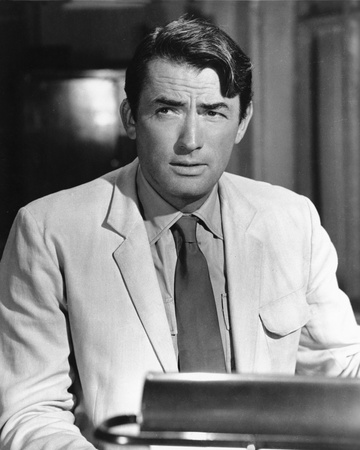
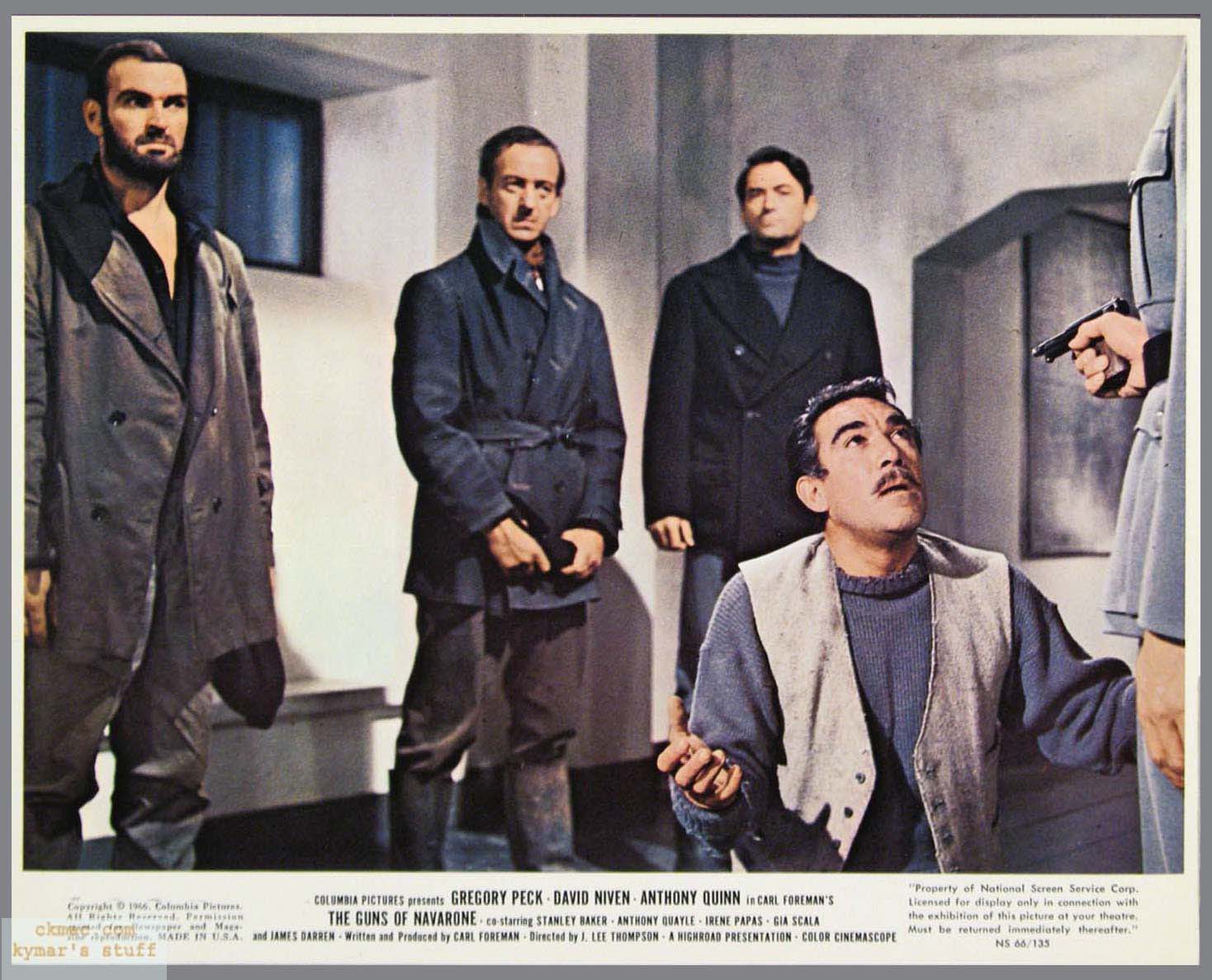
"With so many geniuses," says Team Captain Keith Mallory (Gregory Peck), "how can we fail?"

Ask a silly question...get a two and a half hour answer.  Particularly when the answer involves material supplied by Alistair McLean, from whose books nothing ever goes as planned and improvisation, no matter how well provisioned for, rules the day.

There are these cannons, see?*  They're caved into vertical cliff faces that have been daunting to regular forces.**  So, a team of specialists, cut-throats, and patriots form a surly group of cynics to make land-fall—extraordinarily uneasily—go up-country and meet up with resistance forces infiltrating a hummocky terrain populated by locals (who seem to be having a wedding every hour of the day) and an endless supply of Nazis, who seem to fall like ten-pins.

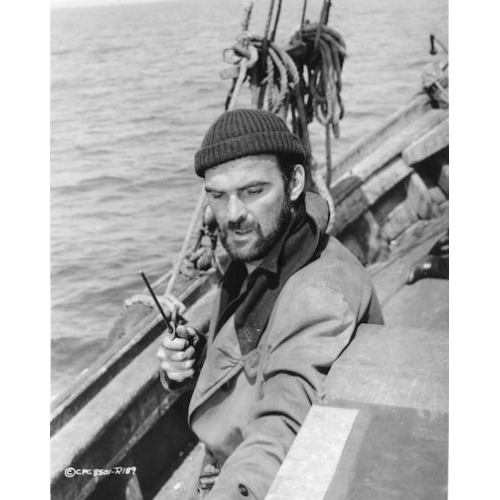
There's always a weak link in these groups.  In this case, it's Major Roy "Lucky" Franklin (Anthony Quayle), who has brittle bones and seems to have the ability to attract shrapnel.  The initial cliff-assault proves to be his undoing, although the rest of the team manage to make the climb without falling into the rear-projection.  And while not quite The Dirty Dozen, conflicts pop up pretty quickly—Corporal Miller (David Niven) is the griper, constantly needling Mallory and protective of Franklin.  Mallory has issues with Col. Andrea Stavros (Anthony Quinn) who holds a grudge for what happened to his family previously in the war.  Then there's Brown (Stanley Baker), "the Butcher of Barcelona," who seems to be having trouble negotiating wish-bones and his own conscience.***

Director J. Lee Thompson (a good yeoman-like director, who only gets "arty" on inanimate objects) keeps things moving fast and the frame centered—despite being a "widescreen" Cinemascope roadshow—managing to make everything capable of fitting into a square TV-frame.

The hero of the story, though, is Carl Foreman, black-listed writer-producer, who migrated to Europe to make films.  Despite the gung-heavery on display, his script still squeezes in enough anti-war sentiment and issues of conscience without slowing down the action any, even impressing crusty old John Wayne, one of the anti-communists who pressured him to leave the States.  His "Guns" fits into the same cynical fox-hole as the earlier Awards magnet The Bridge on the River Kwai, which he had once worked on. 

Curiously, even though I missed the original, I still managed to see its sequel Force 10 from Navarone (which recycled quite a lot of the first film's climax) a couple of times.  That one came out a full 16 years after the first, just in time to catch such up-and-coming stars as Harrison Ford, Barbara Bach and Richard Kiel, and replacing Peck and Niven with Robert Shaw and Edward Fox, two (count 'em, two) British actors who seemed to fit the characters a little bit better.  


* Them bloody "Navaronian" guns


*** Peck had an amusing homo-erotic spin on the story:  "David Niven really loves Anthony Quayle and Gregory Peck loves Anthony Quinn. Tony Quayle breaks a leg and is sent off to hospital. Tony Quinn falls in love with Irene Papas, and Niven and Peck catch each other on the rebound and live happily ever after." 


Thursday, April 7, 2011

Made in Dagenham

"Girls Behaving Badly (Acting Well)"
or
"That's How We've Always Done It"

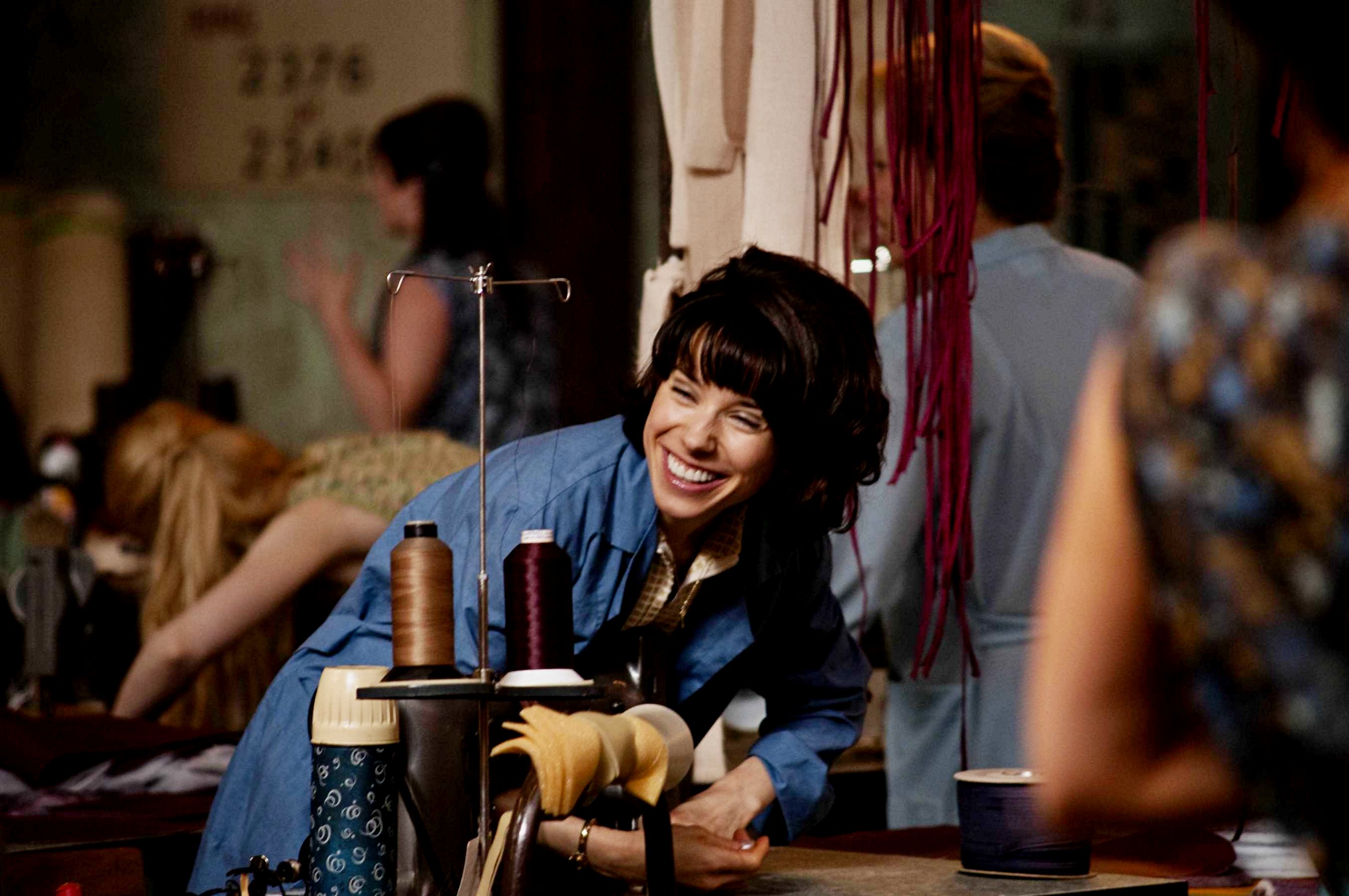
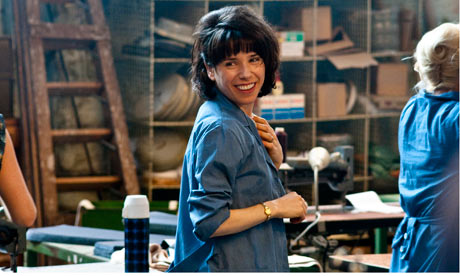
Nigel Cole's Made in Dagenham tells the story behind the struggle to get the Equal Pay Act of 1970 passed—the one that finally guaranteed that in a Union job, a woman received equal pay to a man.

What's that, you say?  "We don't have that law in America?" 

Yes.  Precisely.

The action that led to that piece of...one hesitates to say "forward-thinking"...legislation was the 1968 Ford sewing machinist's strike in Essex, which resulted from the lady-sewers being down-graded to "unskilled worker" status and receiving a 15% reduction of their salaries.  Initially, the about-to-be-strikers merely wanted their status returned to normal, but finding reluctance on the part of the Union to support them, the entire group staged a walk-out, shutting down auto production for the entire plant.  It was only with the intervention of Secretary of State for Employment and Productivity Barbara Castle (played here by Miranda Richardson) that a compromise was reached, first bringing the women's salary to 92% of the men, upgrading it to 100% the following year, and, finally, the working out of the Equal Pay Act of 1970

The strike lasted all of three weeks.

But those three weeks shut down auto production at Ford's Essex plant, alienating the male Union workers and driving a wedge in Ford working households, splintering the machinist's Union (hypocritically balking at "all things being equal," comrade), and raising the ire of the Ford Motor Company, which sends an emmissary (played by Richard Schiff, and although shaved and looking different, he portrays the "dark side" of his "West Wing" character, Toby Ziegler). 

This all happened, but not in the way Made in Dagenham would have you believe.  The sewers left en masse, all 187 of them, but the film simplifies it to one woman who serves as the catalyst for the action.  There was no "Rita O'Grady" (Sally Hawkins), she's a construct by writer William Ivory to be a mouth-piece for all the issues in the film, the one everyone gravitates to when they have a point to make about the situation.*  She starts out being naive and not a "joiner," the better to have things explained for the audience, but she morphs into a Union firebrand who says all the right things at all the right times, while everybody else takes a back seat.  It simplifies things in the story process, sure, but if you're going to pay tribute to the efforts of a group, do you ignore them for the most part, in favor of fiction?  How's that paying tribute?  "Rita" is the one who impresses the Union rep Albert Passingham (Bob Hoskins) to join the negotiations.  She speaks up to the dragging Union bosses who don't see their demands as a "gain."  She's the one that Lisa Hopkins (Rosamund Pike), the upper-class, degreed wife of a Ford manager comes to when we need to be told the oppression of women extends beyond the factory...all roads lead to "Rita."  Like Cole's previous film Calendar Girls, there's a bit of patronization to the film, a sort of "aren't they cute, fighting for their rights and all (bless 'em)"

But, it's heart is in the right place.  At least.

Made in Dragenham is a Rental.

* Norma Rae was fictionalized, too, but at least there was a "Norma Rae," in the person of Crystal Lee Sutton.

Tuesday, May 4, 2010

In Bruges

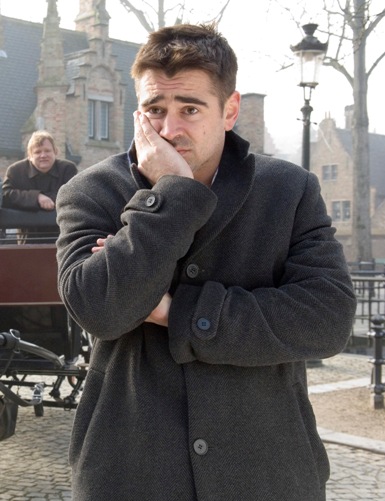
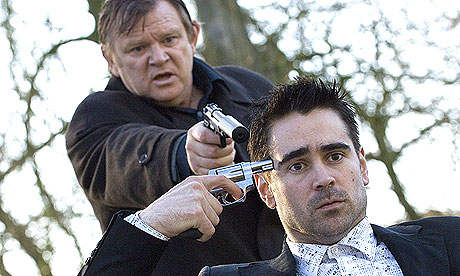
"In Bruges" (Martin McDonagh, 2008) First off, the title may be mis-leading as it's missing a word. By rights, and by its constant usage in the film, the movie should be called "In Fooking Bruges," as that's the way the picturesque "fairy-tale town" in Belgium is usually adjectived in the film. "In (implied Fooking) Bruges" is rated "R" for "Strong Bloody Violence, Pervasive Language and Drug Use." Not much of the latter, but large quantities of beer are consumed. The language is pervasive (love that term), but it is also numbing in that, after awhile, it stops being shocking and the repetitiveness becomes part of the joke.* And the violence is strong and upsetting—blood flies in large gouts, and there is a lot of perforation going on, followed by blood spatter. I mention all this as a warning for the faint-of-heart going in, because I'm going to be saying this is a great, funny film with a lot of heart—bloody, throbbing and gooey—and cold-bloodiness, and anybody thinking they're going to be seeing, say, "Dr. Strangelove," are going to be upset at the carnage. But that blood-letting is necessary for the very reason that "In Bruges" is making note of how fragile we all are. We break. We bleed. We suffer. We sacrifice. We put ourselves through Hell on Earth. Which on bad days, and bad vacations, can look like fooking Bruges.

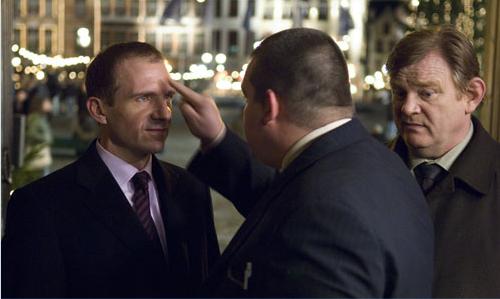
Ray and Kenny (Colin Farrell, Brendan Gleeson) are two Irish hit-men who are on holiday, of a sorts. Actually, they're laying low after Ray's first "hit"—the assassination of a priest (CiarĂ¡n Hinds in a cameo)—also manages to kill a child. It's Ray's first job for Harry Waters (Ralph Fiennes) and he's botched it. Badly. The best for them is to get out of town for two weeks until the furor dies down. So, they're sent to Belgium, specifically to Bruges—"the most preserved city in Europe"—to get lost in the Christmas tourist season. "It's a shit-hole," says Ray, still reeling guiltily. He hates it. In fact, he'd probably hate any place on Earth in his state of mind, except the one place he cannot go. For Ray, Bruges is worse than Hell. Kenny is enjoying the sight-seeing and fascinated by the antiquity of the place and keeps trying to interest Ray in the city, calling him the "worst tourist in the world." "Ken," replies Ray. "I grew up in Dublin. I love Dublin. If I grew up on a farm, and was retarded, Bruges might impress me but I didn't, so it doesn't.."

And that, there, is why I fell in love with this film. The rough language that has a rhythm and groove, and feels like it's falling out of the minds of
Farrell and Gleeson and Fiennes in unfiltered stanzas. It's Mamet with a lilt (especially in Farrell's hands). It's a comic flow that when these three ace actors toss in their syncopated pauses it maximizes the laugh factor exponentially. Sentences build and explode in beated punch-lines that flow naturally from the material. It's coarse and brutal, but behind the words are human feelings of desperate men.

Ray is badly shaken up by the death of that child. It haunts him, keeps him awake at night and makes him fear for his soul. He drinks to deaden the pain. Ken, the veteran, has been at it awhile, owing a debt to Harry Waters from the past and is loyal to a fault. And Harry is a vicious gangster who loves his family and lives unswervingly by a precise code of honor. These are bad men with silver linings of virtue tucked away where no one can hurt them. In their own ways, they are romantics. Homicidal romantics, maybe. But, then, that's the work.

Steeped in quirky characters, and nearly prat-falling over itself with implied comedy, "In Bruges" manages to do something unique in the post-Tarantino action revolution of stylization, and pervasive...everything—it manages to have soul, a caring one, at that, where actions have consequences that don't get lost in the final reel amidst the carnage and wise-cracks.

* And, as in the film "Once," there is something about the word spoken with an Irish accent that makes it less harsh and far more charming, like the name of a seaside Gaelic town.

Friday, April 2, 2010

The Long Good Friday

"The Long Good Friday" (John Mackenzie, 1980) Dense, gritty film about the London underworld that could just as well be about the British government being undermined by terrorists.

Easter weekend as planned is a good one for
Harold Shand (Bob Hoskins). He's set up an elaborate yacht-party for his investors, a few politico's in his influence and a guest appearance by a U.S. mob-boss (Eddie Constantine), to toast Harold's new developments planned along the Thames dockyards. Everything seems to be in place—the pay-offs to the pols, the cheap Irish workers are kept in line, and the Americans want to help finance the new construction.

Then things start to go North. An old pal of Harold's (
Paul Freeman), acting as a courier to the IRA, has siphoned off some funds, and been murdered in revenge. Harold's mum went off to Good Friday services and, while in the church, somebody blew up the Shand Rolls. A bomb has been discovered in one of Shand's casinos, and he's been getting some stick from Jeff (Derek Thompson), his college-educated lieutenant. Shand and his better half (Helen Mirren) are having trouble keeping the partiers occupied and unaware of the difficulties, especially when one of Shand's restaurants they've set as a meeting place is blown up moments before they step inside.

This gets on Harold's bad side. Harold's a bloke from Stepney, who's risen in the ranks and wants to do his part to make England great again, with international relations enhanced by their entry into the Common Market. He's polishing his image to make further entries into legitimate business.

But all those explosions are getting in the way.

It's a delicate balancing act he must portray in 36 hours: on the one hand, pulling whatever strings (and tendons) he can to find out who's sabotaging him, and on the other, keeping a respectable front for his business partners, current and future.

It's a crackling tale
full of malice, the occasional conflagration, some well-placed bullets, and the occasional sharp edge. For the holidays, there's even a crucifixion (off-screen). Hoskins is brilliant in this, barely keeping a veneer of civility over his tough roots, capable of his own explosions at any time, and Mirren is the one trying to keep him from shattering. Look for the first feature-appearance of Pierce Brosnan as a gum-chewing hit-man, and stay on top of the dialogue—it's pretty complex.

Thursday, November 19, 2009

The Damned United

"I wouldn't say I was the best manager in the business. But I was in the top one." — Brian Clough

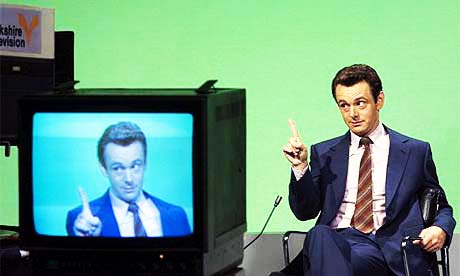
There are two major industries in Britain that have created rabid fans: football and Peter Morgan-Michael Sheen movies. Football we know all about. What we colonists call "soccer" is an obsession carried in the hearts and minds and livers throughout the entire rest of the world (as a matter of fact, you could probably make a connection between loving this injury-inducing sport and embracing universal health-care!).

The team of
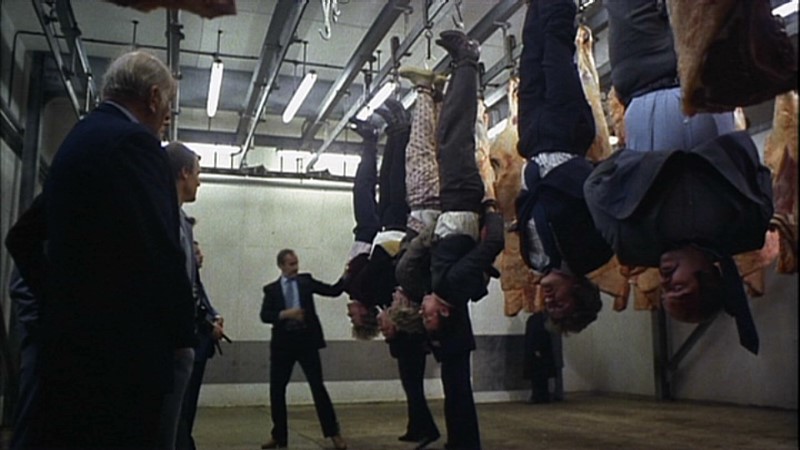
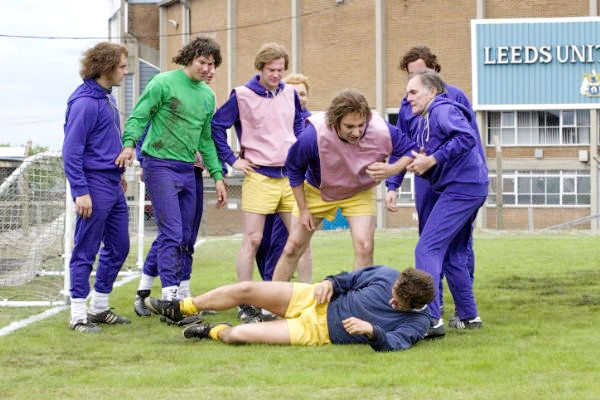
Morgan and Sheen, which started with "The Deal" and "The Queen," continued with the play and film "Frost/Nixon" (and will continue with Sheen again playing Tony Blair in Clint Eastwood's forthcoming "Hereafter"), here takes on the insular world of FC football and the storied career of Brian Clough, who took the second division Derby County Club into the first division and then the championship, and in a fit of hubris, took on the management of Leeds Utd, the club of his arch-rival Coach Don Rievie and was fired after 44 days. Here, though, the focus is not on the playing field, but the kicking and gouging going on in the mind of Clough.

The feats Clough accomplished were done with aplomb,
ego, a big mouth and a vindictive drive to show up the other teams in the leagues, especially Leeds. But, that drive also gave him a tunnel vision when it came time to manage Leeds, which was done with a "new broom" approach, angering the players, the club's board and the fans who saw the team fall to its worst season in ten years after only six games. Consequently, he got the sack. As fast as his success was acquired, he fell ten times faster.

Morgan as screenwriter lets the mighty fall gently, depending on the grace that is shown, and whether the eyes are open during the trip.
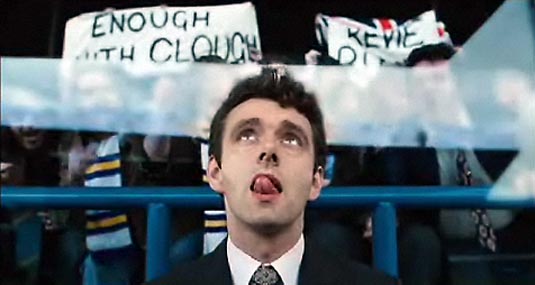
Idi Amin and Nixon, locked in their delusions, get no sympathy. Queen Elizabeth and Tony Blair are allowed insight as they're falling. Clough gets that insight after he hits rock-bottom, and Morgan's frequent collaborator Sheen registers every triumph in flashing teeth and every hurt in darkening bags under his eyes. Sheen, as a performer who's made a living playing performers, knows the degrees to which the face can display a false-front and genuine pain. During an introductory press interview before taking over for Rievey, it's a cocky Clough who, with no prior knowledge, already thinks he has the team licked, with secret winks, flashing tongue and a smarmy way of laughing at his own jokes. After a dressing down from the Leeds captain, he'll maintain the same confident smirk on his face, but his eyes will dull with fear as soon as the player turns his back. If Sheen felt any disappointment in not playing the "Nixon" part of "Frost/Nixon," he's compensated here for playing a personality of similar insecurities, but with an antic theatricality that the former President was never capable of. It's Sheen's show, but he's given ample opposition and support from Timothy Spall, Jim Broadbent, and Colm Meaney, who plays Coach Rievie with an irascible sense of entitlement.

Director
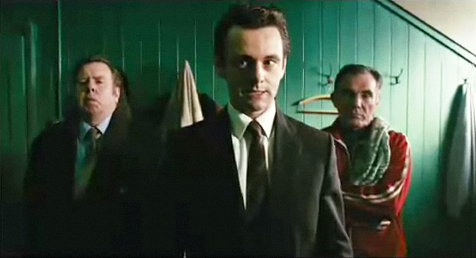
Tom Hooper keeps things low-key in a BBC vid kind of way (thankfully dropping the peculiar framing that marked "John Adams"), but it isn't too long before one notices that, more and more, he's placing his Clough in ever tightening offices, hotel rooms, and locker-room corridorsan outsider trapped in his own prison of obsession and focus. One sequence is brilliantly twisted in its scope, or lack of it: as a much-needed match goes on outside, Clough stews and twitches inside his dennish office behind the stands, listening to the crowd reactions, not daring to emerge into the light to watch. Perversely, whenever a Derby goal is scored, the crowd leaps to its feet blocking out the only outside light to his office, casting him in darkness. You know that whatever Clough wins, he's lost.

"The Damned United" is Matinee.